
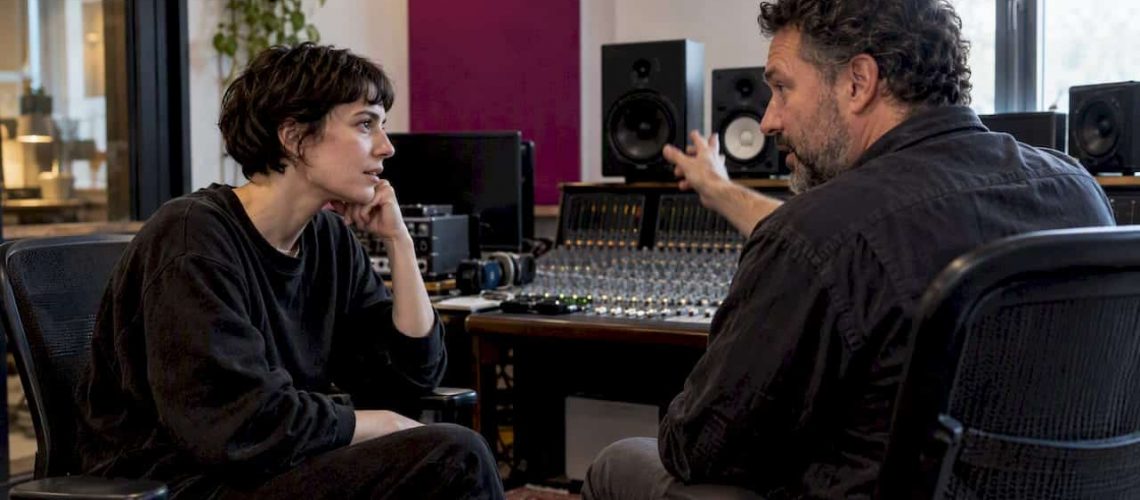

The fastest way to get a mix that sounds like your vision, not a guess at it, is simple: send a short creative brief, include two or three annotated reference tracks, deliver clean labeled stems, give the engineer creative latitude, and route all feedback through one person. Twisby Records builds its entire workflow around this exact approach, and it is the backbone of everything below.
TL;DR:
- Providing clear, specific instructions about reference sounds and creative priorities helps engineers produce a mix that aligns closely with your vision.
- Organizing stems and files correctly at 24-bit WAV format, with descriptive names and an accompanying note on tempo and key, streamlines the mixing process and reduces delays.
- Limiting reference tracks to two or three descriptive, well-annotated examples prevents conflicting directions and makes it easier for the mixer to deliver the desired sound.
- Agreeing on the scope, revision rounds, and point of contact upfront avoids misunderstandings and keeps the project on schedule.
- Focusing on communication, avoiding vague notes, and diagnosing issues early ensure a productive collaboration and a mix that truly lands.
Table of Contents
- What mix engineers do and where creative collaboration fits
- Prepare your session: file types, stems, and what to fix first
- Reference tracks and talking about sound without the jargon
- Remote workflow and a revision process that actually shrinks
- How to write useful revision notes: a template plus examples
- Diagnosing a mix that isn’t landing and deciding the next step
- Twisby Records in practice: templates, turnaround, and testimonials
- Kreg’s practical takeaways and red flags from decades of collaborative work
- How Twisby Records can help: services, prep, and getting a quote
- Sources
- FAQ
What mix engineers do and where creative collaboration fits
A mix engineer takes recorded tracks and shapes them into a finished, cohesive song: balancing levels, shaping tone, placing sounds in a stereo and sometimes immersive field, and controlling dynamics so the track holds up on a phone speaker and a club system alike. A producer, by contrast, usually makes the bigger creative calls earlier in the process: arrangement, instrumentation, tempo, and overall sonic direction. An arranger decides what parts play and when. These roles blur constantly in indie music, where one person might wear two or three hats, but knowing the difference helps you ask the right person for the right kind of input.
Most mixers will not restructure your arrangement or swap out a guitar part unless you specifically invite that. According to practitioner guidance from Tape Op, an outside mix engineer typically refines and balances what already exists rather than overhauling it, which is exactly why a clear brief up front matters so much. If you want your engineer to suggest a different intro length or a bigger vocal doubling idea, say so. If you want them to stay strictly inside the lines of what you recorded, say that too.
The best mixers also bring a recognizable point of view. Manny Marroquin and Chris Lord-Alge are both held up as references for this: their names are attached to a sound, not just a skillset. A roundtable of Grammy-winning mixers published by Sweetwater makes the point directly: technical competence is the baseline in this field, but taste and artistic judgment are what separate a good mix from a forgettable one. Some mixers act like chameleons, matching your reference as closely as possible. Others apply a consistent signature across every project they touch. Neither approach is better, but knowing which one you are hiring changes how much creative rope you should hand over.
Here is what to settle before a single file gets sent:
- Decide whether you want a faithful match to your references or the engineer’s own interpretation layered on top.
- Clarify whether arrangement tweaks (a longer bridge, a doubled chorus vocal) are on the table or off limits.
- Name one creative priority for the song (energy, intimacy, loudness, clarity) so the engineer knows what to protect if tradeoffs come up.
- Agree on how many revision rounds are included before extra work gets billed separately.
Get this scope conversation right at the start, and almost every later frustration in the relationship disappears before it starts.
Prepare your session: file types, stems, and what to fix first
Nothing slows down a mix faster than a disorganized session. A mix engineer who spends the first two hours of a project renaming tracks and hunting for missing files is not mixing creatively, they are doing cleanup, and that time usually comes out of your turnaround window.
Here is the export checklist Twisby Records asks every artist to follow before sending a project:
- Export consolidated stems (not a compressed rough mix) starting at the same timecode as the session, with no fades or plugins baked in unless they are essential to the part.
- Deliver full multitrack files when the song has unresolved arrangement questions, since stems alone can limit an engineer’s ability to make structural suggestions.
- Use WAV files at the original recording sample rate and at least 24-bit depth. Never export from a lower bit depth up to a higher one, it adds no quality and can create confusion about the true source resolution.
- Name every file with the song title, track name, and take number, for example “Midnight_Drive_LeadVocal_Take3.wav” rather than “Vocal1_final_FINAL.wav.”
- Include a simple text file or email note listing tempo, key, and any tracks that are intentionally out of time or pitch for stylistic reasons.
Before you send anything, fix what is cheap and fast to fix on your end: obvious timing slips, background noise during quiet passages, and any clipping in the recordings. Pitch correction, deep comping, and heavy timing edits are a different story. Those tasks commonly cost extra because they take real time and shift the engineer’s role from mixing into editing, so budget for them separately if you know your vocal take needs real tuning work rather than a light touch.
A written creative brief does more work than most artists expect. Starsound Studios makes the case plainly: you do not need technical vocabulary to get a great creative result, you need clarity about purpose and priorities. A useful brief covers:
- What the song is about and who it is for (a late-night drive playlist, a stadium anthem, a quiet bedroom listen).
- Your top one or two priorities (vocal clarity above everything, or a wall-of-sound chorus).
- Two or three reference tracks with specific notes on what to borrow from each.
- The deliverable formats you need back (streaming master, instrumental, a cappella, radio edit).
Pro Tip: Keep the brief to one page. A mixer who has to dig through three paragraphs to find your actual priority will miss it, or guess wrong.
Readers who want a deeper walkthrough of this exact process can see the full checklist in how to prep your song for mixing.
Reference tracks and talking about sound without the jargon
Reference tracks are the fastest translation tool between your head and your mixer’s hands. The trick is choosing references for the right reasons and annotating them well enough that the engineer does not have to guess what you meant.
Pick references based on arrangement, tone, and balance rather than genre alone. Two pop songs can sound completely different in how loud the vocal sits or how wide the chorus feels, so a reference only helps when you point at the specific element you want, not just the song as a whole.
- Mark a timestamp and name the exact element you like: “the vocal reverb tail at 1:42” is far more useful than “I like how this sounds.”
- Note what you want to avoid just as clearly as what you want to copy: “the kick is too boomy for us, but the snare crack is perfect.”
- Limit yourself to two or three references per song. More than that usually introduces contradictions the mixer then has to resolve on your behalf.
- Use plain descriptive language instead of technical terms: “bigger,” “warmer,” “more intimate,” and “further back” all translate into real mixing decisions without forcing you to speak in compression ratios.
Starsound Studios frames this well: describing the feeling you want almost always gets a better creative result than prescribing the technical fix you assume will produce it. If you tell an engineer “add a 3 dB boost at 2.5 kHz,” you may get exactly that and still hate the result, because the problem was never the frequency, it was the vocal feeling buried. If you instead say “the vocal needs to feel like it’s leaning into the listener’s ear,” a skilled mixer has a dozen tools to get there, and most of them are not the one you would have picked.
Watch for contradictory references too. Sending one track that is dry and upfront alongside another that is washed in reverb and distant, with no notes on which element of each you actually want, puts the engineer in the position of choosing for you. That is fine if you are comfortable handing over that decision. It is a problem if you are not.
Remote workflow and a revision process that actually shrinks
Remote mixing works well when the delivery specs and the revision plan are agreed before the first file transfer, not improvised after the first draft lands.
Start with delivery specs: confirm the stem format, sample rate, and bit depth you are sending, and ask what format the engineer will send back (an MP3 preview for quick listening, a full-resolution WAV for the final). Agree on a loudness target if you have a streaming platform in mind, since a mix built for a quiet, dynamic listen and one built to compete at a party volume are genuinely different jobs. Use a proper file-transfer method for anything beyond a demo, a cloud folder from a standard storage provider works fine for most projects and keeps a dated history of every version sent.
- Agree on the number of revision rounds included in the price before work begins, two rounds is a common standard for a single song.
- Designate one person as the sole point of contact for feedback, even if the whole band or your co-writer wants input.
- Set a response window for both sides, for example a 48 to 72 hour turnaround on the first draft and a shorter window for revision passes.
- Prioritize your revision requests by importance so the engineer tackles the changes that matter most first if time runs short.
That second point matters more than it sounds like it should. Tape Op’s guidance on working with a mix engineer is blunt about this: consolidating feedback into one document from one contact, rather than letting four band members send four separate email threads, is one of the single biggest levers for avoiding contradictory notes and wasted revision rounds.
For reviewing mixes, a simple shared player that lets you comment at an exact timestamp beats a phone call every time, because it creates a written, timestamped record both sides can refer back to later. Whatever platform category you use, consistency across the whole project matters more than which specific tool you pick.
Pro Tip: Listen to every revision draft on at least two different systems, headphones and a phone speaker, before sending notes. Half of what sounds “off” on one system disappears on another, and you do not want to spend a revision round fixing something that was never actually broken.
A full breakdown of this workflow, including file-security practices, lives in the remote mixing workflow guide.
How to write useful revision notes: a template plus examples
Good revision notes follow a simple three-line pattern: timestamp, what you are hearing, what you want instead. That structure removes guesswork and keeps the engineer from having to interpret a vague complaint.
- Timestamp: name the exact moment, “0:58 to 1:04,” not “the second verse somewhere.”
- Observation: describe what is happening now in plain terms, “the vocal disappears under the guitar.”
- Desired outcome: state the feeling or result you want, “the vocal should feel like it’s the clear focus the whole time.”
Mark each note as essential or exploratory. An essential note is something that must change for the mix to work, a lyric that gets buried, a level that is genuinely too loud. An exploratory note is a “what if we tried” idea you are open to hearing the engineer push back on. Separating the two prevents a mixer from treating a casual suggestion with the same urgency as a dealbreaker, and it protects your revision rounds from getting spent on low-priority tweaks.
Compare these two notes on the same issue:
A poor note: “The chorus doesn’t hit as hard as I want.” That tells the engineer almost nothing actionable, loudness, width, energy, and arrangement could all be the real cause.
A useful note: “At 1:45, the chorus should feel noticeably bigger than the verse, right now it feels about the same size. Maybe the backing vocals need to come up, or the drums need more punch, your call on how to get there.”
Notice the second version states the problem (no contrast between verse and chorus), hints at possible causes, and still leaves the creative decision with the engineer. That last part matters. Multiple practitioner sources, including Tape Op’s interview, point to a single document from a single contact as the format that keeps revision rounds manageable, so build your notes into one running list rather than scattering them across texts and emails. A ready-to-copy version of this exact template is available in the five-notes guide for indie musicians.
Diagnosing a mix that isn’t landing and deciding the next step
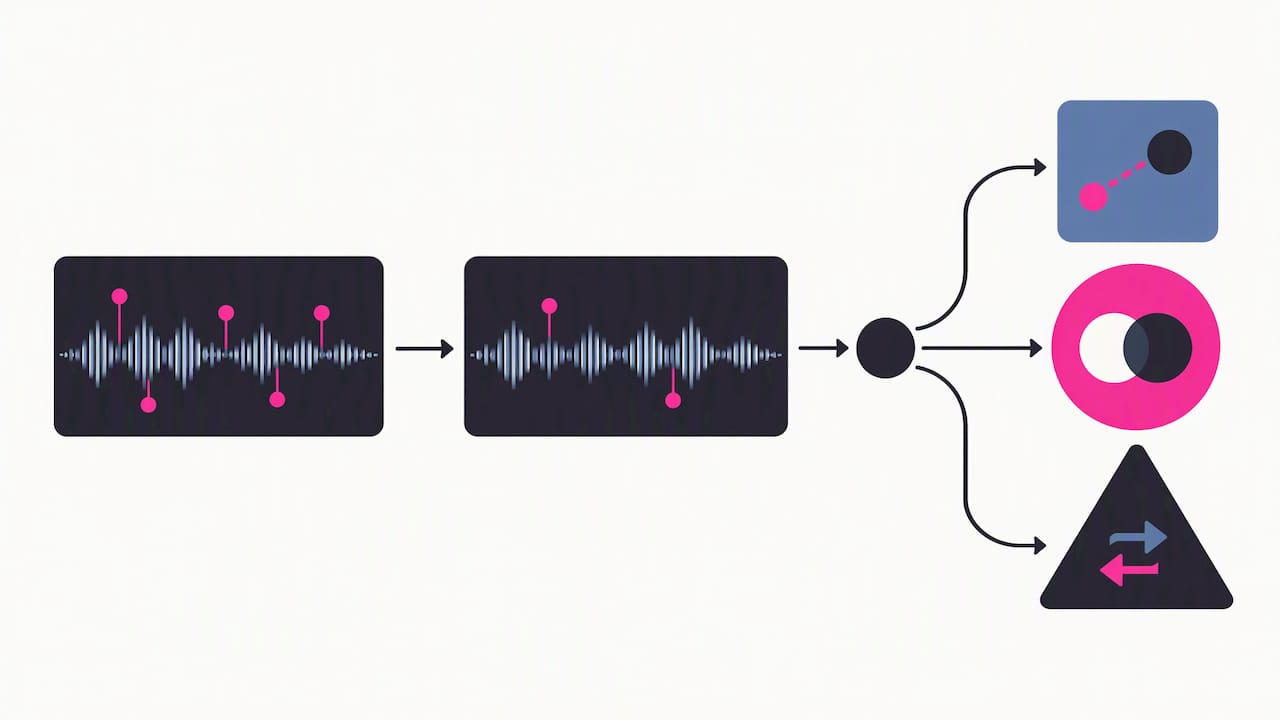
Sometimes a mix comes back and it just does not feel right, and the real work is figuring out why before you burn a revision round guessing.
Run through a short diagnostic before writing any notes:
- Is the problem in the source material (a weak vocal take, a muddy guitar tone at the recording stage) rather than anything the mixer controls?
- Is it an arrangement issue, too many competing elements in the same frequency range, that no amount of mixing can fully fix?
- Is it a genuine mix choice you disagree with, a reverb that feels too big, a vocal sitting too far back?
- Is it a mismatch between what you expected and what you actually asked for in the brief?
That last question catches more problems than artists expect. A brief that said “make it bigger” with no reference can easily produce a result that is technically bigger and still wrong for the song.
Two revision rounds is a reasonable standard for typical single-song projects, a couple of revision rounds is a common standard, per Tape Op’s practitioner guidance. If you are past that and still unhappy, the fix usually is not a third round of vague notes, it is a specific, scoped request: a targeted re-record of one weak part, a short call to realign on the brief, or in some cases, a different engineer whose style better matches what you are after.
Changing engineers is not a failure, but do it cleanly. Be specific about what did not work, thank them for the time already invested, and settle payment for work completed before moving on. Burning a bridge in a small industry rarely pays off, and the next engineer will ask what you learned from the last round anyway.
Twisby Records in practice: templates, turnaround, and testimonials
Twisby Records runs this exact workflow on every project: a short creative brief up front, a file-prep checklist before anything hits the session, one or two structured revision rounds, and a single point of contact for feedback. The process exists because disorganized sessions and scattered feedback are the two biggest things that slow a mix down, and they are both preventable.
A typical project moves through four stages:
- Brief and reference collection, where the artist shares priorities and two or three annotated tracks.
- File prep and import, where stems or multitrack files are checked against the naming and format checklist before mixing starts.
- First draft and review, delivered on an agreed turnaround window.
- Consolidated revision notes from one contact, followed by a final delivery pass.
Clear and prompt communication is an important trait clients often appreciate when working with mixing engineers, a point echoed across testimonials about turnaround and collaboration on the mixing engineer collaboration guide.
Artists who follow the file-prep checklist and send a complete brief on day one consistently see faster first drafts than those who send incomplete sessions and figure out the brief over email as they go. That difference alone is often the single biggest lever an artist controls over their own turnaround time.
Kreg’s practical takeaways and red flags from decades of collaborative work
The biggest mistake I see independent artists make is treating the first conversation with a mix engineer as a transaction instead of a creative interview. Watch for three red flags early: an engineer who never asks about your creative priorities before quoting a price, one who cannot describe their own stylistic tendencies in plain language, and one who gets defensive when you ask for a sample of recent work.
The green flags are just as recognizable: someone who asks what the song is about before asking what gear you used, someone who can point to a specific creative decision on a past project and explain why they made it, and someone willing to send a short rough pass before committing to a full project.
Asking for references does not need to feel confrontational. A simple “can you send a recent mix in a similar style so I know what to expect” is a completely normal, professional question, and any engineer worth hiring will have an answer ready.
The relationship you build with a mix engineer matters as much as their technical skill. Taste can be matched to a brief. Trust has to be built, one clear conversation and one honest revision round at a time.
— Kreg
How Twisby Records can help: services, prep, and getting a quote
If you have read this far, you already know what makes a mix collaboration work: a clear brief, clean files, and a workflow that respects your time and your revision budget. That is the exact structure behind every project Twisby Records takes on, built around real analog gear, Apple Digital Masters certification, and a creative process that stays personal rather than templated.

For most indie artists, the mixing and mastering service is the natural starting point, it covers the full process described throughout this guide, from brief to final delivery. Mastering alone is available for a fee to artists who already have a finished mix and just need the final polish for streaming. Current prices are available on the pricing page.
To speed up your turnaround, attach the following when you request a quote:
- Your creative brief with two or three annotated reference tracks.
- Properly labeled, consolidated stems or full multitrack files.
- Your target delivery formats and any deadline you are working against.
If you want guided, collaborative feedback before committing to a full mix project, the standard over the shoulder critique product gives you that direct creative conversation first. Ready to move forward? Request a mix quote and tell us what your song needs.
Sources
A few sources shaped the recommendations in this guide, each covering a different piece of the collaboration puzzle:
- Working With a Mix Engineer – Tape Op
- How to Communicate With Your Audio Engineer: A Practical Guide – Starsound Studios
- Is in-the-box the best way to mix? These Grammy winners say yes – Sweetwater
- Broadcast and sound engineering technicians – U.S. Bureau of Labor Statistics
FAQ
How much does a mix engineer make?
Pay varies widely by experience, location, and whether the engineer works on staff or freelance, and the U.S. Bureau of Labor Statistics tracks broadcast and sound engineering technicians as a related occupational category. Independent mix engineers working with indie artists typically price per song or per project rather than by salary, so rates depend on the specific service and scope agreed in advance.
Who are some famous mix engineers?
Manny Marroquin and Chris Lord-Alge are two names frequently cited as references for distinct mixing styles, each known for a recognizable sonic signature across the records they have worked on. Looking up their work is a useful exercise for understanding how personal taste shapes a mix beyond pure technical skill.
Can ChatGPT mix and master a song?
AI tools can split stems and apply basic automated processing, but they currently struggle with the artifacts and bleed that come from separating audio that was never recorded as isolated tracks. For a fully produced, creatively considered mix, a human engineer working from original multitrack files still outperforms AI-only tools, particularly on arrangement-aware decisions a model cannot make.
Are mixing engineers in demand?
Sound engineering roles remain a defined occupational category tracked by the U.S. Bureau of Labor Statistics, reflecting steady demand across broadcast, music, and media production. Independent musicians releasing original music continue to drive freelance demand for mixers who can work remotely and collaboratively.